Monday, November 11, 2024

Nautilus Mineral Waters of America Launches Aspirin Water®
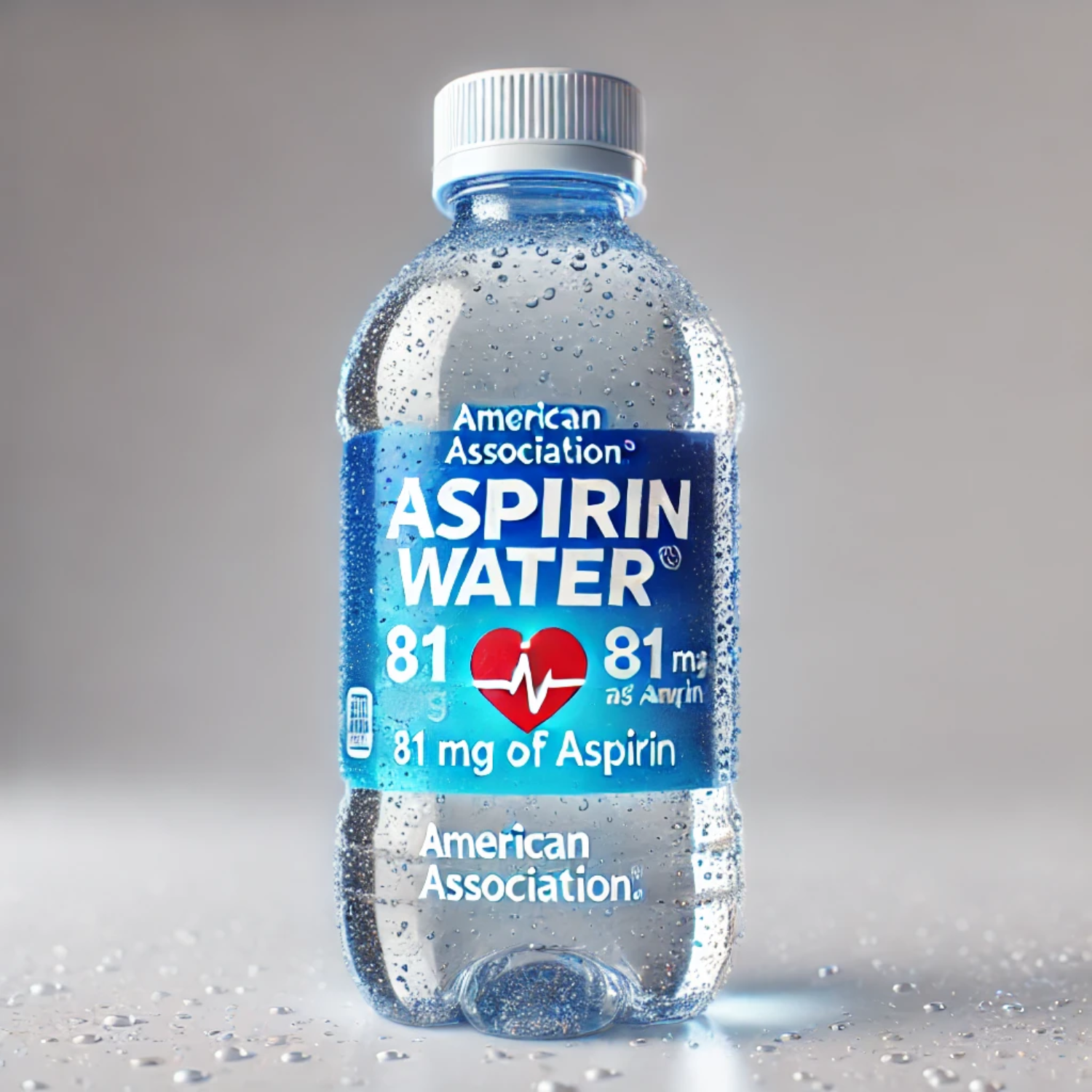
 

Nautilus Mineral Waters of America Launches Aspirin Water®


featured Image
November 12, 2024 ( PR Submission Site ) –

La Jolla, CA – Nautilus Mineral Waters of America, Inc., a leader in innovative bottled beverages, proudly announces the relaunch of Nautilus™ Aspirin Water®, a premium spring water infused with 81 mg of aspirin. This groundbreaking product combines hydration with heart health in a convenient, refreshing format, bearing the iconic seal of The American Heart Association (AHA).  

Nautilus Aspirin Water® is crafted to support consumers seeking an easy way to integrate low-dose aspirin into their daily routines, especially for those following their physician’s recommendations for heart health. Packaged in a sleek, multi-faceted PET bottle, the product features a striking holographic blue label symbolizing purity and trust.  

Richard H. Davis, President and CEO of Nautilus Mineral Waters of America, Inc., stated, “We’re thrilled to reintroduce Nautilus Aspirin Water® to the market. It reflects our commitment to innovative health solutions, providing consumers with a dual-purpose product that promotes hydration and cardiovascular wellness.”  

About The American Heart Association (AHA) 

The American Heart Association (AHA) is a leading voluntary health organization dedicated to improving cardiovascular health and reducing deaths caused by heart disease and stroke. Founded in 1924, the AHA focuses on educating the public, funding innovative research, and advocating for stronger public health policies.  

The AHA’s iconic Heart-Check Food Certification Program helps consumers make informed choices by identifying heart-healthy foods and beverages. Products displaying the Heart-Check mark meet strict criteria based on the latest scientific evidence and dietary guidelines.  

With a global network of volunteers, health professionals, and researchers, the AHA remains committed to its mission of creating a world where everyone can live healthier, longer lives.  

For more information, visit the American Heart Association website https://www.heart.org . 

About Nautilus Mineral Waters of America, Inc.

Nautilus Mineral Waters of America, Inc. is a pioneer in the private label bottled water industry. The company develops and markets an array of innovative beverage products for private labels and co-brands, with bottling facilities across the United States, Canada, and Europe. Nautilus remains at the forefront of blending science and hydration for healthier living.  

Disclaimer:

† These statements have not been evaluated by the Food and Drug Administration. This product is not intended to diagnose, treat, cure, or prevent any disease.  

Media Contact:

Richard H. Davis  

President and CEO  

Nautilus Mineral Waters of America, Inc.  

470 Nautilus Street  

La Jolla, CA 92038–1596  

Phone: ‪(619) 932-1956‬  

https://twitter.com/RedCrossWater  

—  

For more information, visit https://TinyURL.com/RedCrossRedCrescent 

https://www.youtube.com/watch?v=jRoDqkem5KU


Summary

The product aligns with Nautilus’s mission to develop unique beverage solutions through strategic partnerships and rigorous adherence to FDA and AHA standards. Aspirin Water® was first launched in 2003, and its updated version reaffirms Nautilus’s dedication to meeting modern health and lifestyle demands.


Leave a Reply

Logged in as Richard Davis. Edit your profile. Log out? Required fields are marked *


Monday, October 7, 2024

Hypothesis by Richard H. Davis: Carrier Pigeons and Milk Immunity Linked to the Unique Properties of the Spanish Flu


Hypothesis by Richard H. Davis: Carrier Pigeons and Milk Immunity Linked to the Unique Properties of the Spanish Flu


featured Image
October 7, 2024 ( PR Submission Site ) –

Beverly Hills, California – In a provocative new paper, researcher Richard H. Davis presents a groundbreaking hypothesis on the cause of the 1918 Spanish Flu pandemic, asserting that the use of carrier pigeons during World War I may have played a central role in the spread of the virus. Davis’s theory, based on a synthesis of historical and biological data, offers a fresh perspective on one of the deadliest pandemics in human history. 

Carrier Pigeons and Mustard Gas: The Unseen Connection

Davis’s paper, titled *The Most Likely Cause of the Spanish Flu Was Carrier Pigeons Used During the War*, suggests that pigeons used for wartime communication may have harbored a form of bird flu that mutated into the Spanish Flu. This transformation, according to Davis, was triggered by the use of mustard gas in the trenches, which severely weakened the birds’ lungs. This, he argues, allowed the virus to thrive in the birds’ respiratory systems, facilitating its transmission to soldiers on both the German and Allied sides. 

“The birds’ exposure to mustard gas compromised their respiratory health, making them vulnerable to infection. Once the virus took hold, these pigeons became vectors, transmitting the flu through the trenches,” said Davis. “The close quarters of the trenches only accelerated the spread among soldiers.”

Military Men and Flu Susceptibility: The Milk Hypothesis

Davis also explores the demographics of those most affected by the Spanish Flu, noting that young, military-aged men—many of whom did not consume milk—were disproportionately impacted. His theory posits that those who regularly drank milk, such as women, children, and the elderly, had a natural immunity to the virus due to the protective properties of lactic acid found in milk.

“Milk drinkers seem to have fared better against the Spanish Flu,” Davis explains. “The lactic acid and mucus produced by milk consumption likely created a protective barrier in the lungs, preventing the virus from taking hold. It’s no coincidence that teetotalers—those who abstained from alcohol—were also less affected by the flu. They, too, were more likely to consume milk, which may have contributed to their immunity.”

Flu Immunity and the Role of Milk

Davis draws on scientific studies that highlight the antiviral properties of milk, particularly breast milk and bovine milk. According to Davis, the compounds in milk, such as lactoferrin and chondroitin sulfate, may have helped reduce the risk of viral infections by inhibiting the binding of viruses to host cells. 

“Milk isn’t a classical antiviral, but its components can create a protective layer in the mouth and throat that may temporarily wash away viruses,” Davis said. “In the case of the Spanish Flu, this mucus-like coating, rich in lactic acid, could have been the difference between life and death for many.”

Spanish Flu: A Deadly Pandemic

The Spanish Flu of 1918 killed an estimated 50 million people worldwide, including approximately 43,000 U.S. soldiers. While children and women appeared to experience milder symptoms, young men in the trenches were among the hardest hit. Davis’s hypothesis aims to shed new light on why this may have been the case, particularly in relation to the soldiers’ lifestyle choices—such as beer consumption over milk—and their environment during the war.

Future Research and Implications

Richard H. Davis is eager to submit his findings to medical journals for peer review, hoping to open the door to further research into the environmental and dietary factors that may have contributed to the spread and severity of the Spanish Flu. Davis also draws parallels to the ongoing COVID-19 pandemic, where certain populations seem to have experienced more severe outcomes than others.

While Davis’s milk hypothesis has sparked debate, it offers a unique lens through which to view pandemic preparedness and prevention. “Milk has always been seen as a nutritional powerhouse, but it may also hold the key to protecting future generations from pandemics,” said Davis.

For more information on Richard H. Davis’s paper or to schedule an interview, please call ‪(310) 461-8348‬.

About Richard H. Davis

Richard H. Davis is an independent researcher specializing in historical and scientific analysis. His work focuses on uncovering hidden connections between environmental factors and global pandemics.

https://www.youtube.com/watch?v=L6jTMacxzkI


Summary

New Theory Explores Role of Carrier Pigeons, Mustard Gas, and Milk in the 1918 Pandemic


Leave a Reply

Logged in as Richard Davis. Edit your profile. Log out? Required fields are marked *


Sushi Popper Inventor Accuses Suka Sushi of Knock-Off Design

  Contact us Journalists Log Out About Us Submit Press Release Submission Guidelines Blog Sushi Popper Inventor Accuses Suka Sushi of Knock-...